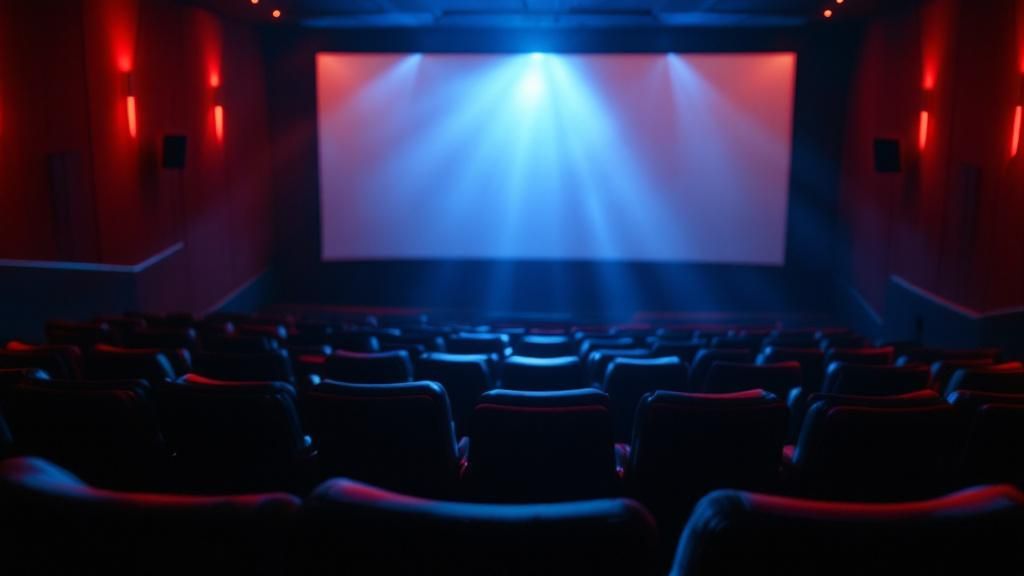

In a period when streaming platforms proliferate and home cinemas grow more advanced, cinema attendance might seem destined for decline. Yet contrary to predictions, audiences are coming back to cinemas in impressive numbers. This resurgence raises intriguing questions: what attracts audiences back to cinema screens? From major spectacles to intimate dramas, this article investigates why conventional cinemas remain successful, considering the unique appeal of big-screen experiences and how the industry has adapted to compete with accessible home entertainment options.
The Return of Going to the Cinema
Following the demanding pandemic period, cinema attendance has experienced a marked recovery across the United Kingdom and beyond. Big-name films have attracted large audiences back to theatres, with major franchises and highly-anticipated films driving footfall through cinema doors. This revival illustrates that despite the ease of streaming platforms, audiences still appreciate the collective atmosphere of watching films on the big screen. The theatrical experience delivers something fundamentally different from home viewing, merging immersive visuals, high-quality audio, and the mutual emotional connection of watching alongside other film enthusiasts.
Industry analysts attribute this recovery to several interconnected factors. Firstly, the quality of cinema technology has advanced significantly, offering sight and sound capabilities which cannot be matched at home. Secondly, cinemas have broadened their offerings beyond traditional film screenings, incorporating premium experiences such as IMAX, Dolby Cinema, and premium seating options. Additionally, the theatrical release window remains culturally important, with audiences keen to experience major films in the way filmmakers intended. This mix of technological advancement and enhanced customer experience has cemented cinemas as key entertainment spaces rather than outdated relics.
Why Spectators Choose the Large Cinema Screen
The film experience delivers something truly irreplaceable that domestic viewing simply cannot replicate. The engaging quality of a cinema screen—often several storeys high—paired with state-of-the-art surround sound systems generates an enveloping sensory experience. Audiences are drawn into narratives with an intensity that domestic installations struggle to match, no matter the cost. This immersive experience proves particularly valuable for action movies, science fiction epics, and visually striking movies where big-screen presentation is crucial for story effectiveness and emotional resonance.
Beyond technical specifications, cinemas create a distinctive social atmosphere that streaming platforms cannot replicate. The collective experience of viewing films amongst fellow enthusiasts produces shared emotional responses, unscripted laughter, and authentic collective participation. This social element converts cinema visits into events rather than mere entertainment consumption. Furthermore, theatrical releases provide respite from domestic distractions—no mobile notifications, household interruptions, or temptations to pause mid-film. For many audiences, especially younger viewers, cinema attendance constitutes a valued ritual and cultural experience that reinforces cinema’s enduring appeal.
The Community Experience and Community
Cinema attendance fundamentally transcends mere film consumption; it represents a beloved communal tradition that streaming services cannot replicate. Audiences value the shared environment of theatres, where collective emotional reactions create lasting impressions. The collective laughter, gasps, and applause during screenings foster genuine connections amongst strangers. Furthermore, cinemas function as cultural gathering spaces, offering chances for friends and families to connect through entertainment. This unique communal aspect remains a powerful draw, notably for younger demographics who prioritise experiential outings over solitary home viewing.
Beyond entertainment, cinemas bolster neighbourhood communities by serving as cultural hubs within neighbourhoods. Multiplex and independent cinemas alike stage exclusive events, film festivals, and advance screenings that encourage civic engagement. These venues offer employment prospects and strengthen neighbourhood economies through concessions and ancillary services. The theatre environment cultivates excitement and occasion, transforming watching films into a special occasion rather than a routine activity. As people actively pursue genuine social connections post-pandemic, cinemas have positioned themselves as essential community spaces where audiences reconnect whilst sharing shared storytelling experiences.
The Future of Motion Pictures in a Digital Age
The cinema industry finds itself at a critical juncture, where innovation in technology and consumer preferences intersect and reshape how people consume entertainment. Rather than falling victim to technological disruption, cinemas have displayed impressive resilience by investing in innovation. Advanced projection systems, cutting-edge sound design, and luxury seat comfort have elevated the theatrical offering well past film projection. This evolution suggests that cinema’s future direction lies not in competing against streaming platforms, but in creating experiences that domestic viewing simply cannot match, ensuring cinemas remain social gathering venues for the years ahead.
Looking ahead, the cinema sector must keep evolving to maintain its relevance in an growing digital landscape. Industry stakeholders are exploring varied funding channels, from advanced technologies like IMAX and Dolby Cinema to immersive experiences and alternative content programming. The revival of theatrical attendance demonstrates that audiences appreciate the shared viewing experience, the superior technical quality, and the immersive storytelling that theatres deliver. As long as filmmakers develop captivating films and cinemas pursue technological advancement, the theatrical experience will persist as an fundamental part of popular culture and entertainment.
