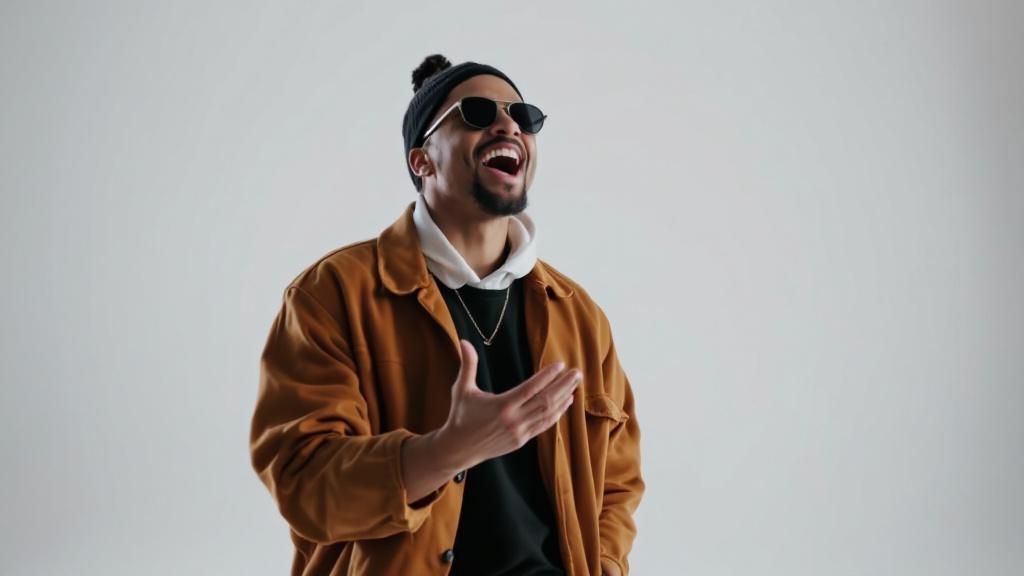

In an rapidly expanding digital space, social media has substantially altered how audiences discover, consume, and engage with music. A renowned musician recently shared frank observations into this seismic shift, examining how platforms like TikTok, Instagram, and YouTube have reshaped the entertainment industry. From broadening access to emerging artists to questioning traditional record label models, social media’s influence is undeniable. This article analyses the prospects and obstacles facing modern musicians, probing how they’re adjusting their methods to thrive in an era where viral moments can launch careers overnight.
The Emergence of Direct Audience Connection
Social media has profoundly reshaped the connection between artists and fans, eliminating conventional gatekeepers that once controlled artist-fan communication. Platforms such as Instagram, TikTok, and Twitter now permit creators to distribute their creative process, individual perspectives, and new content to enormous fanbases without delay. This remarkable openness has cultivated deeper, more authentic connections between creators and devoted followers, transforming passive listeners into active participants who feel truly committed to an artist’s journey and career trajectory.
The consequences of this hands-on connection are deep and complex. Artists can now collect instant responses on new material, validate approaches with their audience before official releases, and foster engaged audiences that offer essential backing throughout their creative journeys. Furthermore, this opening up of channels has empowered emerging musicians to establish significant audiences on their own, avoiding industry gatekeepers that conventionally shaped the creative sector. Consequently, the traditional power dynamics between major labels and creators have moved significantly, opening fresh avenues for creative control and economic self-sufficiency.
Drawbacks of Perpetual Connection
Whilst social media has certainly opened doors for aspiring musicians, the unending requirement for ongoing content production presents substantial difficulties. Artists now find themselves obligated to maintain an almost perpetual online presence, crafting engaging posts, stories, and videos to sustain audience interest and algorithmic favour. This pressure redirects essential effort and attention from the creative process itself, possibly undermining the calibre of artistic work. Furthermore, the demand for constant accessibility can take a considerable toll on psychological wellbeing, as musicians contend with widespread examination, hostile remarks, and the stress of preserving relevance in an progressively congested virtual landscape.
The algorithm-driven nature of social media platforms creates additional complications for artists pursuing sustainable careers. Achievement is not based exclusively on talent or artistic merit; instead, it relies significantly on understanding how platforms work, posting schedules, and what’s trending. This lack of predictability means that even exceptionally talented artists may struggle to gain traction, whilst others achieve viral success through novelty rather than authentic creative work. Moreover, the fleeting character of social media attention means that sustaining success requires ongoing transformation, leaving musicians caught in an exhausting cycle of adaptation and performance that often feels disconnected from authentic creative expression.
The Future of Music and Online Services
The progression of the music industry appears fundamentally connected to the evolution of digital platforms. As artificial intelligence and machine learning progressively develop, customised music suggestions will become increasingly sophisticated, fundamentally altering how listeners discover new artists. Digital streaming providers are investing heavily in algorithmic curation, which promises to democratise exposure further whilst simultaneously raising questions about artistic merit and financial feasibility. The musician emphasised that flexibility will prove essential for those seeking longevity in this fast-changing landscape.
Emerging technologies introduce both unprecedented opportunities and substantial difficulties for today’s musicians. Virtual reality concerts, decentralised royalty platforms, and NFT assets constitute frontier territories that musicians are starting to investigate in exploratory fashion. However, the enduring feasibility of these advances remains uncertain, and numerous artists voice doubt about their long-term viability. The industry consensus indicates that whilst innovation is necessary, preserving genuine engagement with listeners through established channels remains equally crucial for establishing enduring professional trajectories and developing true listener devotion.
Looking ahead, accomplished musicians will likely adopt mixed methods that leverage social media’s audience whilst upholding artistic integrity and artistic autonomy. The democratization of music production technology means that home-based creators now stand shoulder to shoulder with established studios, significantly reshaping industry hierarchies. Yet, the human factor—narrative craft, emotional impact, and authentic connection—cannot be duplicated by technology or algorithms. The musician determined that this equilibrium of innovation and authenticity will in the end define the next generation of entertainment industry achievement.
