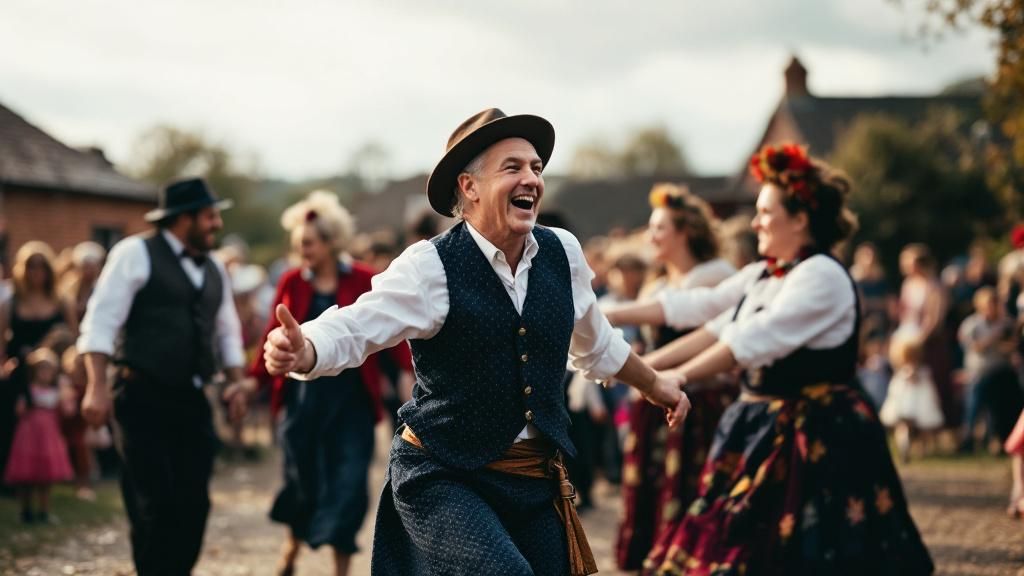

Across the rolling countryside and remote villages of the United Kingdom, a artistic resurgence is quietly unfolding. Folk dancing traditions, once dismissed as quaint relics of a distant past, are undergoing a remarkable and energetic revival. From the ceilidhs of Scotland to the morris dance celebrations of the Cotswolds, countryside populations are rediscovering the joy and cultural significance of these traditional dances. This article explores how these traditional dances are engaging new generations and strengthening community bonds throughout rural Britain.
The Return of Classic Folk Dance
The revival of folk dancing across countryside regions embodies a remarkable cultural phenomenon. Young people and experienced dancers alike are championing traditional forms such as ceilidh, morris dancing, and country dancing with genuine enthusiasm. Community halls and village greens have evolved as vibrant social venues where these time-honoured practices flourish once more. Local dance groups have expanded considerably, arranging regular sessions and festivals that attract participants from adjacent regions. This community-led initiative demonstrates that folk dancing retains an enduring appeal that goes beyond generational boundaries and contemporary popular culture.
Multiple factors have contributed to this surprising resurgence in countryside areas throughout the United Kingdom. Social media platforms have enabled folk dancers to share information, build connections, and publicise events more effectively than ever before. Additionally, increased demand for sustainable, locally-based entertainment has prompted communities to revisit their traditional customs. The welcoming character of folk dancing, which welcomes participants regardless of experience or ability, has demonstrated itself to be particularly appealing to those in pursuit of authentic social interaction. Furthermore, growing awareness of folk dancing’s wellness advantages—both corporeal and emotional—has encouraged individuals to take part in these time-honoured practices.
Local Differences and Cultural Significance
The United Kingdom’s folk dancing tradition is remarkably diverse, with each region maintaining distinct traditions that reflect local cultural identity, geographical influences, and historical roots. From the energetic ceilidhs of the Scottish Highlands to the complex movements of English country dances, these local differences reveal how folk traditions have progressed uniquely across Britain. Understanding these distinctions is crucial for appreciating the vibrant fabric of British folk culture and recognising why rural communities continue to be deeply committed to maintaining their inherited dance forms.
Traditional Country Dancing
English country dancing represents one of Britain’s most structured and formally documented folk traditions, with roots tracing back many centuries. These dances, typically performed in long lines or squares, showcase elaborate patterns and precise footwork that demand substantial skill and practice. The renewed interest in English country dancing in country villages has exposed newcomers to classics such as the Playford dances, which continue to captivate audiences with their elegant choreography and timeless appeal.
Contemporary English traditional dance clubs have thrived throughout rural England, offering weekly gatherings where participants of all ages can master traditional figures and formations. These sessions foster genuine sense of community, as dancers work together to perform complex sequences with elegance and coordination. The accessibility of English country dancing, combined with its communal aspect, has proven instrumental in drawing younger generations eager to connect with Britain’s cultural heritage.
Scottish and Welsh Customs
Scottish folk dancing, epitomised by the vibrant ceilidh, brings infectious enthusiasm and participatory joy to village festivities throughout Scotland. These spirited occasions feature dances such as the Strip the Willow and the Gay Gordons, characterised by energetic steps and contagious beats played on period instruments. The ceilidh’s welcoming character makes it particularly appealing to newcomers, as dancers don’t need to possess prior experience to participate enthusiastically alongside seasoned performers.
Welsh folk traditions, including the distinctive Welsh country dances and the spirited Noson Lawen celebrations, maintain equally strong cultural significance in remote Welsh areas. These traditions often feature Welsh language and music, serving as effective means for cultural preservation and sense of national belonging. The growing engagement in Welsh dancing reflects wider initiatives to safeguard the language and customs that characterise Welsh heritage, making these traditions essential to contemporary rural Welsh society.
Community Participation and Future Outlook
The renewal of folk dancing has driven remarkable social involvement across rural Britain. Local councils and heritage organisations are actively funding in dancing initiatives, understanding their capacity to strengthen social unity and tackle countryside isolation. Village halls have evolved into vibrant cultural hubs, hosting frequent ceilidhs and training sessions that attract individuals from every generation. This community-led movement shows that traditional dancing stay significantly important to present-day communities, fostering genuine connections amongst community members who might otherwise have limited social interaction opportunities.
Educational institutions are fulfilling an important role in safeguarding the continuation of these traditions. Schools throughout England, Scotland, Wales, and Northern Ireland now include folk dancing within their curricula, guaranteeing young people gain appreciation for their heritage and traditions. Universities have established dedicated folk dance societies, whilst specialist tutors are training new instructors to maintain authentic techniques. This organisational backing provides vital resources and credibility, changing what was formerly seen as secondary into recognised cultural education that enriches students’ understanding of British heritage.
Looking ahead, the prospects for folk dancing appear remarkably promising. Digital platforms and online networks have extended visibility beyond geographical boundaries, bringing together international participants whilst championing regional customs. Festival attendance keeps increasing year on year, generating tourist income that benefits rural economies substantially. As communities place greater emphasis on health and heritage protection, folk dancing stands functioning as a meaningful activity meeting modern community requirements whilst recognising the country’s diverse heritage for future generations.
